
Do You Have a Case?
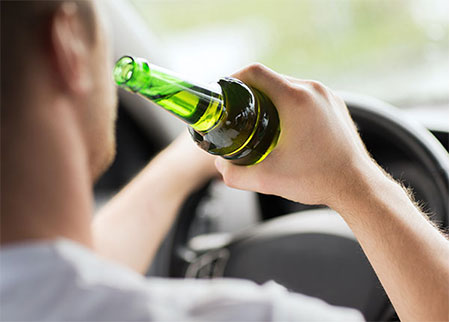
Were you in a car accident with an intoxicated driver? Even if prosecutors handle the drunk driving charges in criminal court, you can still bring a separate civil case to recover damages.
You may have a case if you have catastrophic injuries, wage loss, pain, or ongoing medical care. If evidence shows the drunk driver’s actions contributed to the crash, you may still recover compensation, even if you were partly at fault. Your share of responsibility only reduces the amount; it doesn’t erase it.
If you were hurt in a drunk driving crash in Fresno and are unsure about your options, call Tim Mazzela, APC at (559) 297-1118 to discuss your case.
Negligence in Drunk Driving Cases
Every injury case in California is built on the principle of negligence. To prove negligence, the injured party needs to show that the drunk driver failed in their “duty” and that the failure caused measurable harm.
- Duty: Every driver is required to operate a vehicle safely.
- Breach: Driving under the influence violates that duty.
- Causation: The crash has to directly connect to the driver’s intoxication.
- Damages: Medical costs, lost income, and lasting effects are proven with records and testimony.
Tim Mazzela ties evidence from police reports, test results, medical files, financial records, and other evidence to present a clear case for recovery.
Protecting Your Case After a Crash
Records created soon after a crash, including medical evaluations, police reports, and photos, help show the harm it caused. Tim Mazzela can connect this evidence to the case. Here are the steps to take after a crash so that key evidence is preserved:
- Call 911 and get medical help: Emergency responders document the crash and create records that support your case. A medical evaluation, even if you feel ok, protects your health and builds a clear link between the crash and your injuries.
- Gather photos, witness names, and the police report number: Photos of the vehicles, the crash scene, and your injuries capture details that can fade quickly. Witness contact information and the official report number allow our team to follow up for statements and records.
- Keep receipts, discharge papers, and damaged property: Medical paperwork, bills, and even damaged items, like clothing or car parts, all help prove the full impact of the crash. Relevant items provide Tim Mazzela with the documentation needed to demonstrate the extent of your damages.
Even if not every detail is collected at the scene, our firm can track down records, locate witnesses, and rebuild the evidence needed to move your case forward.
Additional Evidence That Supports Your Case
Beyond what you collect at the scene, other forms of evidence can directly show how the crash happened and the extent of your losses. We know how to locate and secure records that help your case.
- Toxicology reports and officer observations: Blood alcohol results and police notes capture the driver’s level of impairment and behavior during the stop.
- Surveillance video and traffic cameras: Footage from nearby businesses or intersections can reveal the events leading up to the crash.
- Vehicle event data recorders: Electronic data shows speed, stops, and other details that help confirm the driver’s actions.
- Bar or restaurant records: Receipts and witness accounts may be relevant if alcohol service contributes to the case under California law.
- Expert testimony: Specialists in accident reconstruction or medicine explain how the crash caused the injuries.
Reports and records can be used to build a stronger case, even if the other driver or insurer disputes fault.
Dealing With Insurance Companies
Insurance carriers act quickly after a drunk driving crash. They may reach out before you have had time to fully process your injuries or expenses. However, their goal is to protect their bottom line, not yours. .
Do not cave to settlement pressure: Adjusters may offer quick payments that fall short of covering medical bills, missed wages, and long-term effects. Accepting a payment too soon can close the door on recovering the full amount you need.
Do not give statements: Calls from insurers frequently include requests for recorded statements. Even small comments like “I’m feeling better” can be used later to downplay injuries or dispute the severity of the crash.
Do not give up if the other driver is underinsured: When the drunk driver lacks insurance or carries only minimum coverage, your own policy may help cover the difference. Tim Mazzela reviews available coverage and pursues every option for recovery.
Additionally, Tim Mazzela will handle direct communication with insurers so you are not pressured into giving statements or accepting small settlements.
How Tim Mazzela Builds a Compelling Case
Preserving Evidence
Our firm moves quickly to keep critical records from being lost. Preservation letters go out to police departments, businesses, and other parties. Vehicles are inspected before repairs erase crash details, and photos from the scene are secured to lock in the condition of the roadway and property.
Developing the Case File
Once records are in hand, Tim Mazzela will organize them into a case file that clearly shows both liability and damages. Medical records and bills establish the physical toll. Wage documentation illustrates lost income, and expert input may explain future medical needs or long-term limitations.
Preparing for Settlement or Trial
When the file is complete, Tim Mazzela uses it to build leverage. Insurers receive a detailed demand package with exhibits that connect evidence directly to damages. If negotiations do not lead to a fair result, the case moves toward trial. We handle depositions, defense medical exams, and court deadlines so that nothing is missed.
Punitive Damages in Drunk Driving Cases
In California, a drunk driver may be ordered to pay damages beyond medical bills and lost wages. Punitive damages may apply when the driver’s choices show a clear disregard for the safety of others. That can include a very high blood alcohol level, excessive speed, or ignoring signs. A criminal conviction is not required. The civil case can rely on proof like test results, officer notes, receipts, or witness statements.
Punitive damages affect how a case is valued. Insurance usually does not cover them, which means recovery may depend on the driver’s own assets or, in limited situations, another responsible party. Tim Mazzela separates regular damages from punitive ones, gathers the evidence needed to meet the higher standard, and pursues them in settlement talks or in court.
When Insurance Isn’t Enough
Low limits or no coverage on the drunk driver’s policy can leave a gap. Tim Mazzela identifies every available source of payment and sets a plan so medical care and bills don’t stall.
UM/UIM coverage
Your own auto policy may include Uninsured Motorist (UM) or Underinsured Motorist (UIM) benefits. A UM/UIM insurance claim may be able to fill the gap when the at-fault policy runs out. MedPay can help with co-pays and deductibles regardless of fault. Tim Mazzela can handle filings and deadlines and pursue full use of available limits.
Hospital Liens and Health Insurance
Hospitals and providers may assert liens against a future recovery. Health plans may also seek reimbursement for bills they paid. Tim Mazzela verifies lien amounts, challenges improper charges, and negotiates reductions so more of the recovery goes to you.
Asset Checks When Coverage is Limited
If insurance will not cover the losses, an asset review can show whether collection from the driver is realistic. The review may include real property records, business interests, and prior judgments. Tim Mazzela uses that information to advise on next steps before litigation costs mount.
Ongoing Medical Care and Record Keeping
The way that care and recovery from a drunk driving crash is documented can directly influence the outcome of a case. Here is what to look out for:
Consistent treatment and follow-up: Missed appointments or gaps in care give insurers an excuse to argue that injuries were not serious. Steady treatment notes from doctors and specialists show how symptoms continue and how long recovery takes.
Symptom and expense logs: A journal of pain levels, mobility issues, and medications explains the day-to-day impact of the crash. Receipts for prescriptions, medical equipment, and travel to appointments add another layer of proof.
Billing and credit protection: Tim Mazzela works with providers to delay aggressive billing, confirm balances, and negotiate reductions when the case resolves so clients don’t face long-term credit damage.
Help for Families After a Serious Injury
Family members can help out when an injured person cannot manage the details of a case on their own. Tim Mazzela guides families through the process so critical records and deadlines are not missed.
Record collection for a loved one: Hospitals and doctors may require signed releases before providing records. Our team prepares the correct forms and follows up with providers to obtain medical files, billing statements, and imaging results.
Insurance calls: Insurance companies may still try to contact the injured person directly. We redirect those calls, document all communication, and prevent insurers from pressuring the family into sharing information that could weaken the case.
Deadlines when acting on someone’s behalf: California law sets strict time limits for filing injury cases. Families who act for an injured relative face the same deadlines as if the injured person filed themselves. Tim Mazzela tracks those timelines and files the necessary documents to preserve the case.
Working With Tim Mazzela, APC
First Call and Case Review
Expect a free case review that focuses on injuries, coverage, and next steps. Tim Mazzela will identify collected evidence and outline what we can obtain, then set a plan for medical records, police reports, and insurer notices.
Clear Communication
Clients hear from us on a set schedule, with faster updates when something changes. You get direct access to the team handling your case, not a call center. Messages receive clear responses, and every decision point comes with options and plain-English guidance.
Fees and Costs
Cases run on a contingency fee, so attorney fees come from the recovery, not out-of-pocket. The firm advances standard case costs and provides a line-item settlement statement before any funds are disbursed. You retain control over settlement decisions at every step.
Local Experience in Fresno and Insurance Claims
Our team follows the formats for Fresno Police and California Highway Patrol (CHP) record requests to make the process faster. Crash patterns on SR-41 and SR-99 help guide reconstruction and liability arguments. Familiarity with Fresno courts and common insurer practices in this region helps move cases forward without avoidable delays.
What To Have Ready for Your First Call
You don’t need a stack of paperwork before contacting our office. If you have any of the items below, it can help Tim Mazzela review your case and move quickly:
- Crash report or case number, if already available
- Insurance cards or policy information
- Medical records or discharge papers from initial treatment
- Recent pay stubs to show missed income
- Photos of the vehicles, injuries, or the crash scene
If documents are missing, Tim Mazzela can request them directly from hospitals, employers, law enforcement, or insurers so you don’t have to track everything down yourself.
Frequently Asked Questions after a Fresno Drunk Driving Accident
What if the driver faces DUI charges too?
Civil cases move on their own track. A conviction is not required; records like BAC results and the police report can support the civil case even if the criminal case is still pending or ends without a conviction.
How long will my case take?
Timelines vary based on how treatment progresses and how fast records arrive. Disputes about fault or limited insurance can extend the process, while clear liability and complete documentation can shorten it.
Can my case settle without filing?
Yes. Cases can resolve through a detailed demand to the insurer, with medical and financial proof attached. Filing a lawsuit remains available if a fair offer does not arrive before the deadline.
What if my injuries worsen over time?
Tell your doctors about changes so the chart reflects new symptoms and restrictions. Tim Mazzela times negotiations around a stable medical picture. Settling too soon can lock in compensation that fails to cover later care.
What happens if my health insurance already paid?
Health plans may seek reimbursement from a settlement through liens. Tim Mazzela reviews plan terms and state rules, then negotiates reductions so more of the recovery goes to you.
What if the drunk driver fled the scene?
A hit-and-run does not end the case. Police reports, surveillance footage, and uninsured motorist coverage may still provide a path to recovery. Tim Mazzela investigates and identifies coverage sources so a claim can move forward.
Do I have to go to court?
Most cases resolve without a trial. Tim Mazzela prepares every case as if it may go to court, which increases leverage in negotiations. If trial becomes necessary, you will have guidance and preparation for each step.
Call Tim Mazzela, APC Today
If you or someone you care about was hurt in a drunk driving crash in Fresno, you do not have to deal with insurers, medical bills, and court deadlines on your own. Tim Mazzela handles every part of the case, from gathering records and building evidence to negotiating with insurers and preparing for trial when needed.
Call (559) 297-1118 or send a message today to schedule a free case review with Tim Mazzela, APC.
